New Delhi serves as the capital of the Federal Republic of India and is the country's largest metropolitan region, sprawling across 1484 sq. km area. Living up to its stature as the national capital, this centuries-old city is an epitome of diversity – of religions, cultures, people, arts & crafts, and experiences. The city is as old as the Mahabharata and has been the seat of power for many empires, from Hindu Maharajas to Muslim Sultans, for over a millennium. Traces of its glorious past are reflected by captivating monuments and fascinating museums dotted across the destination.
The modern-day capital is an interesting mix of two distinct parts - Old Delhi and New Delhi. With its narrow lanes, bustling markets, roadside eateries and ancient edifices, Old Delhi speaks of the vibrant history of Indraprastha. In contrast, New Delhi showcases colonial influences in its tree-lined avenues, imposing buildings, shopping arcades, fancy nightclubs and plush restaurants. Offering something for one and all, Delhi is undoubtedly, an ideal getaway for globetrotters.
-
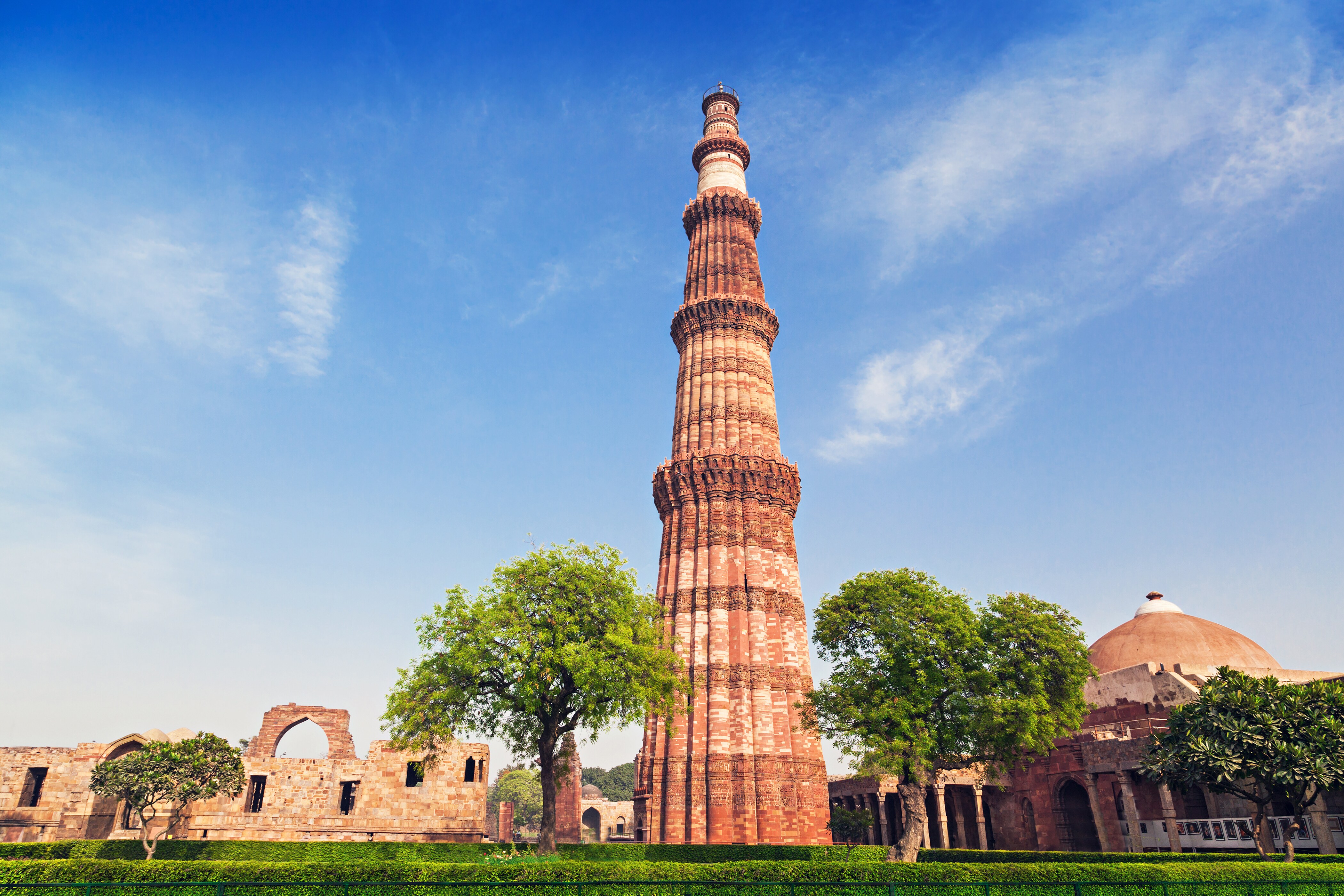
Qutab Minar
A classic example of Indo-Islamic architecture, the 72.5 m-high Qutab Minar is the tallest brick tower in India. This red and buff sandstone 5-storey minaret is adorned with exquisite flutings and Qur'an verses.
-
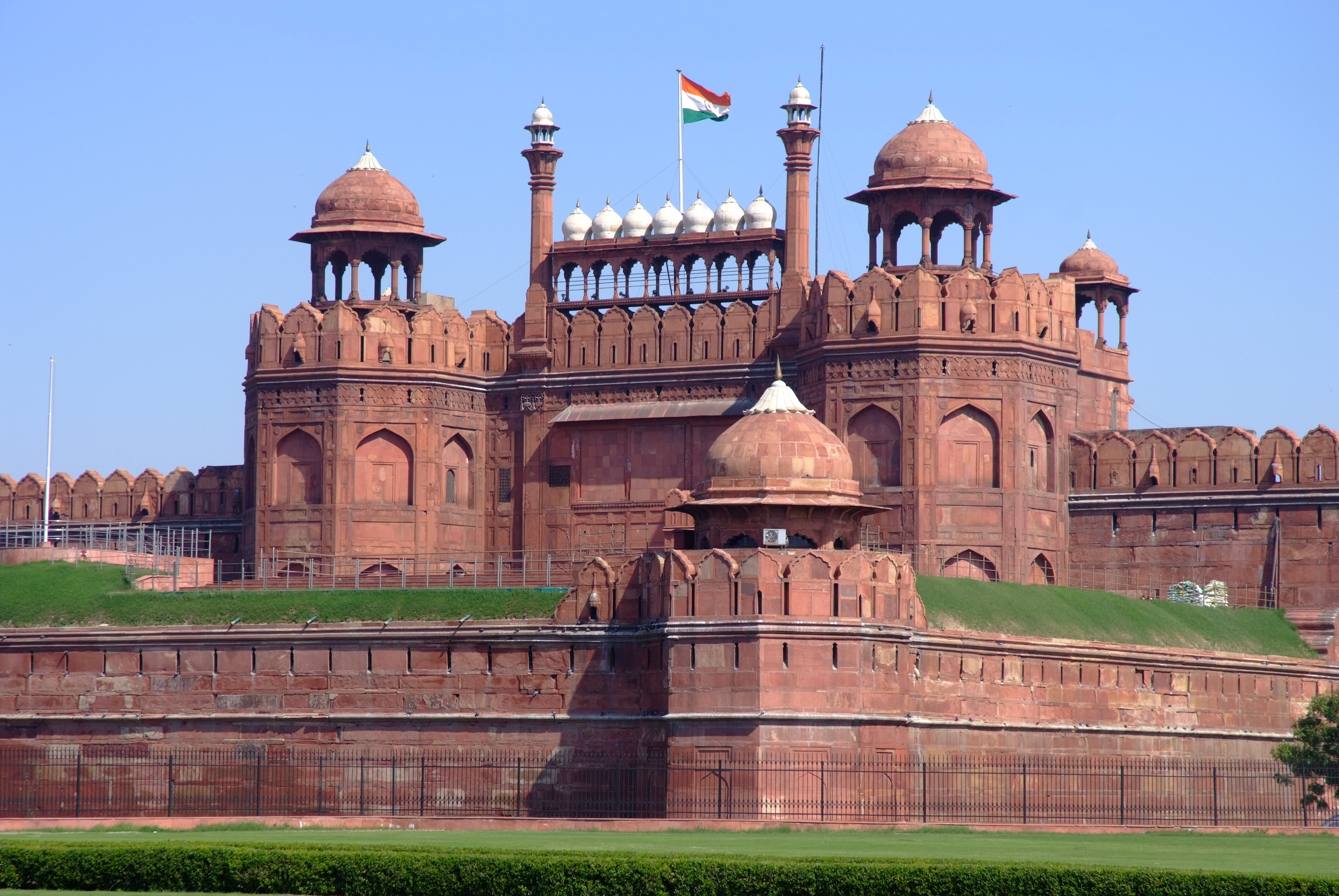
Red Fort
Reminiscent of the Mughal rule, the magnificent Red Fort was built in 1638 by Shah Jahan. Ever since 1947, the Prime Minister has been hoisting the national flag at its Lahore Gate on Independence Day.
-
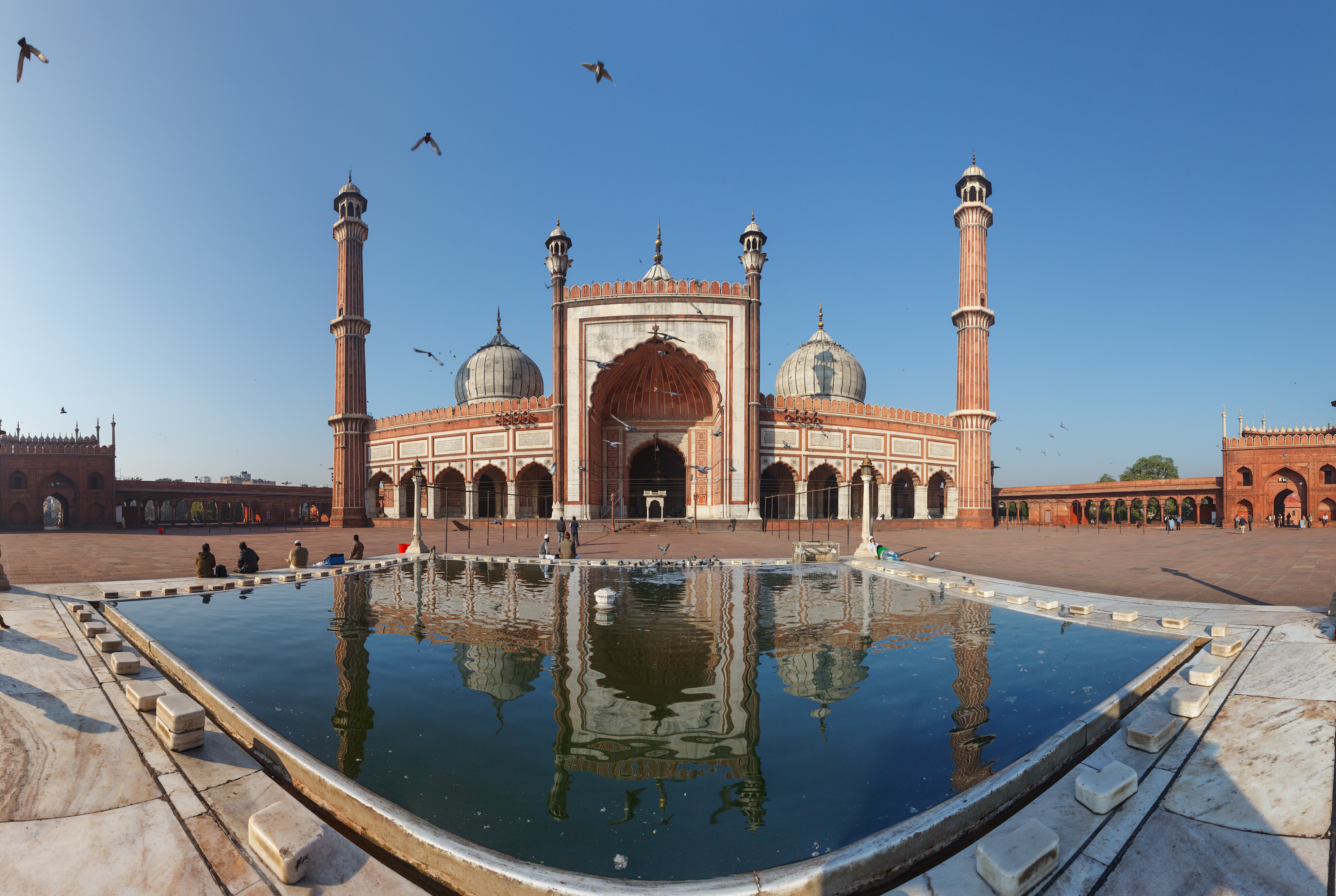
Jama Masjid
Jama Masjid, in the heart of Old Delhi, is the country's largest and one of the oldest mosques. It has three massive gates, four towers, two minarets and a courtyard that can hold 25000 devotees.
-
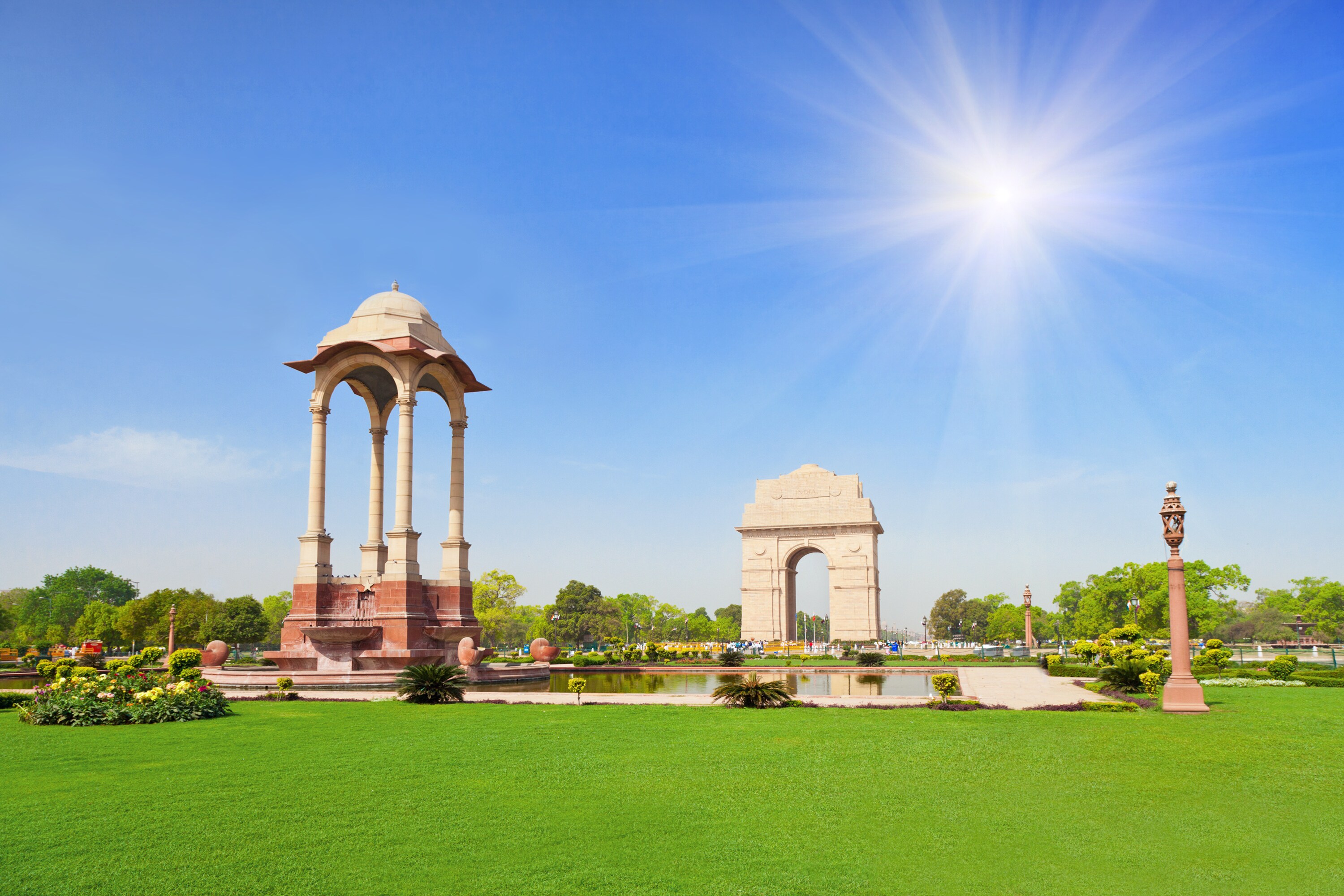
India Gate
India Gate, situated on the Rajpath, is one of the largest war memorials in the country and is also the site of Amar Jawan Jyoti.
-
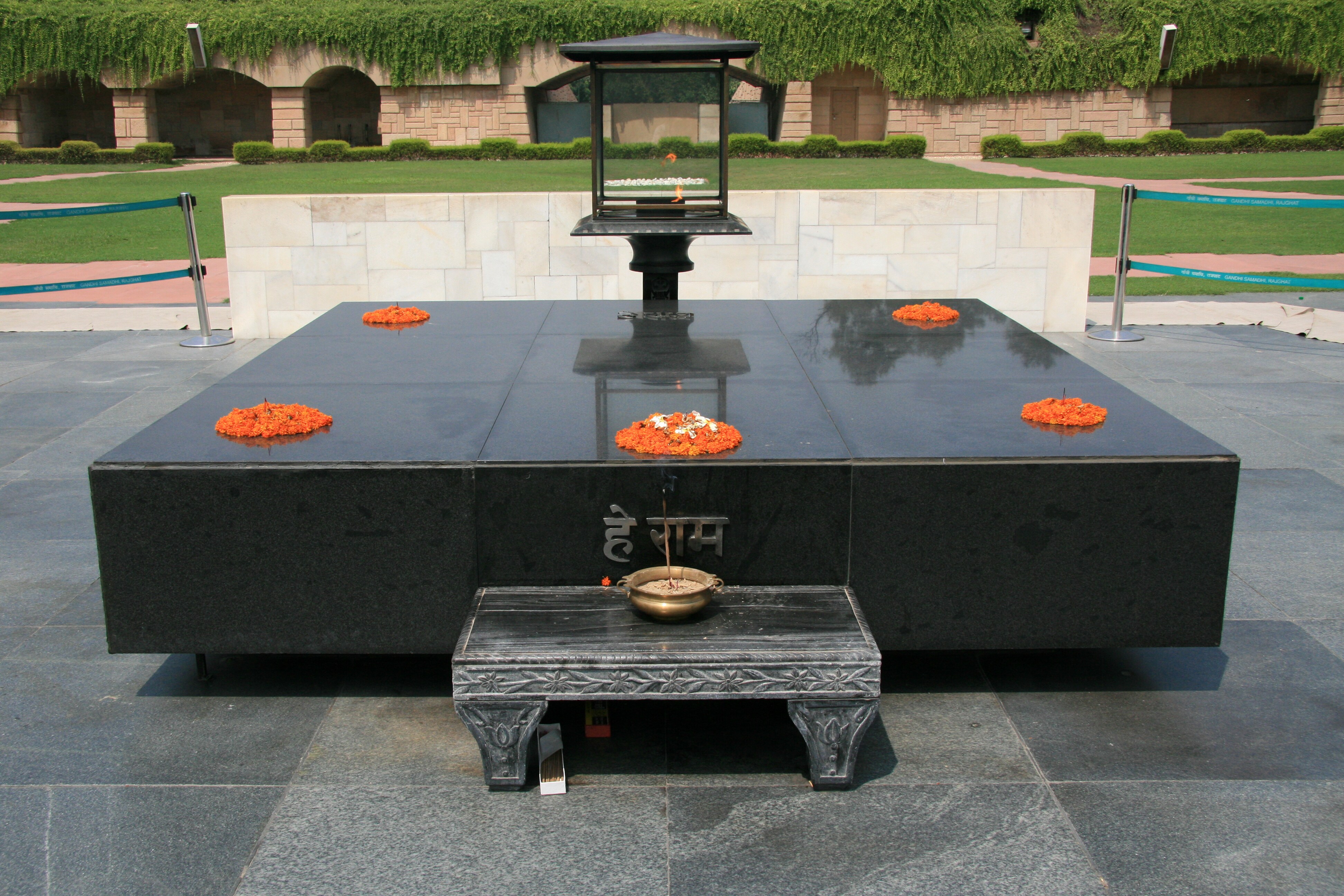
Raj Ghat
Located along the banks of River Yamuna, Raj Ghat marks the cremation spot of Mahatma Gandhi - the Father of the Nation. An eternal flame is perpetually burning at one end of this open-air memorial.
-
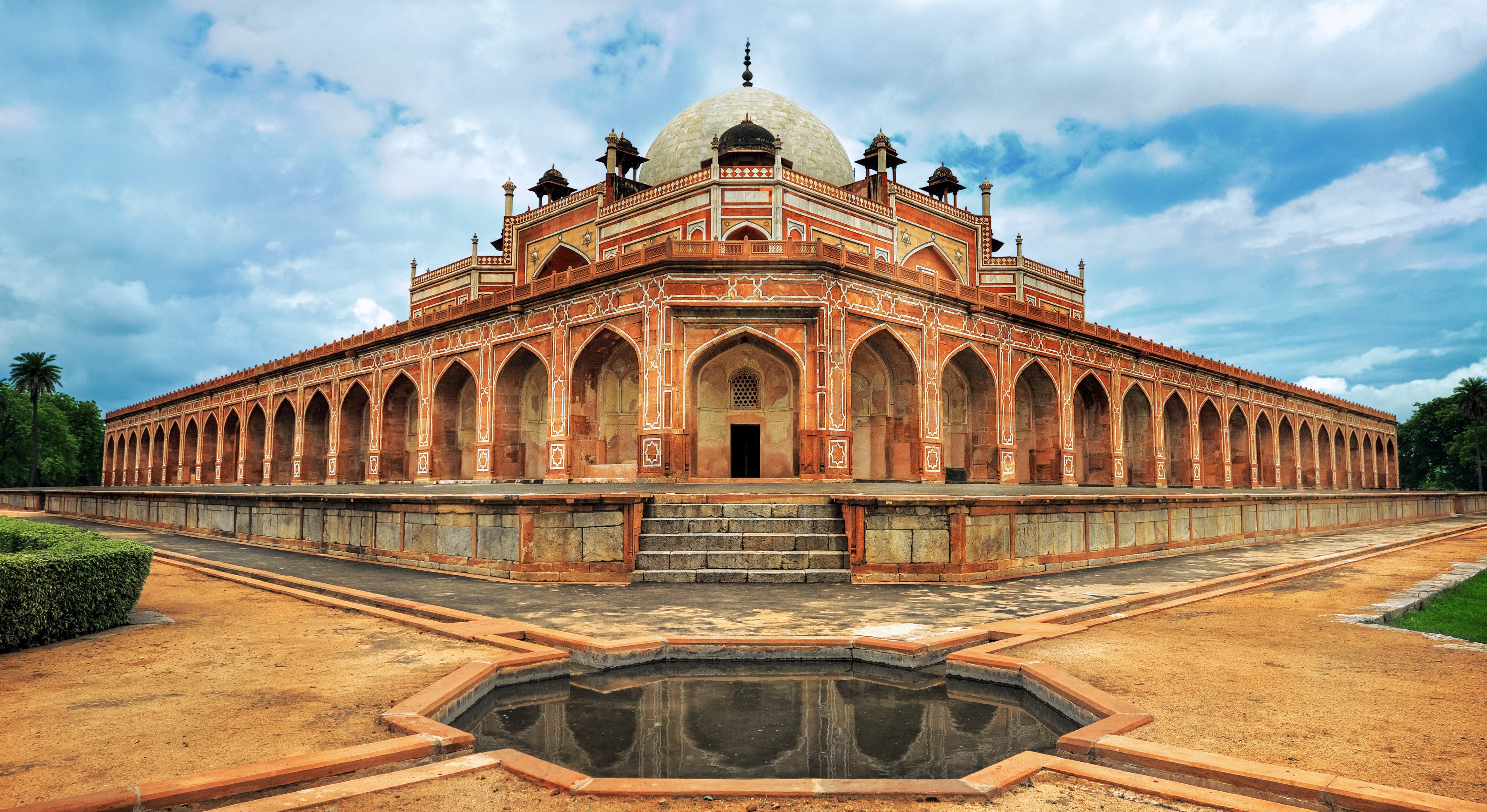
Humayun's Tomb
Humayun’s Tomb was built in 1569 by the emperor’s wife to commemorate the life of her beloved. Built of red sandstone, this magnificent structure is an amalgamation of Mughal and Persian architectural styles.
-
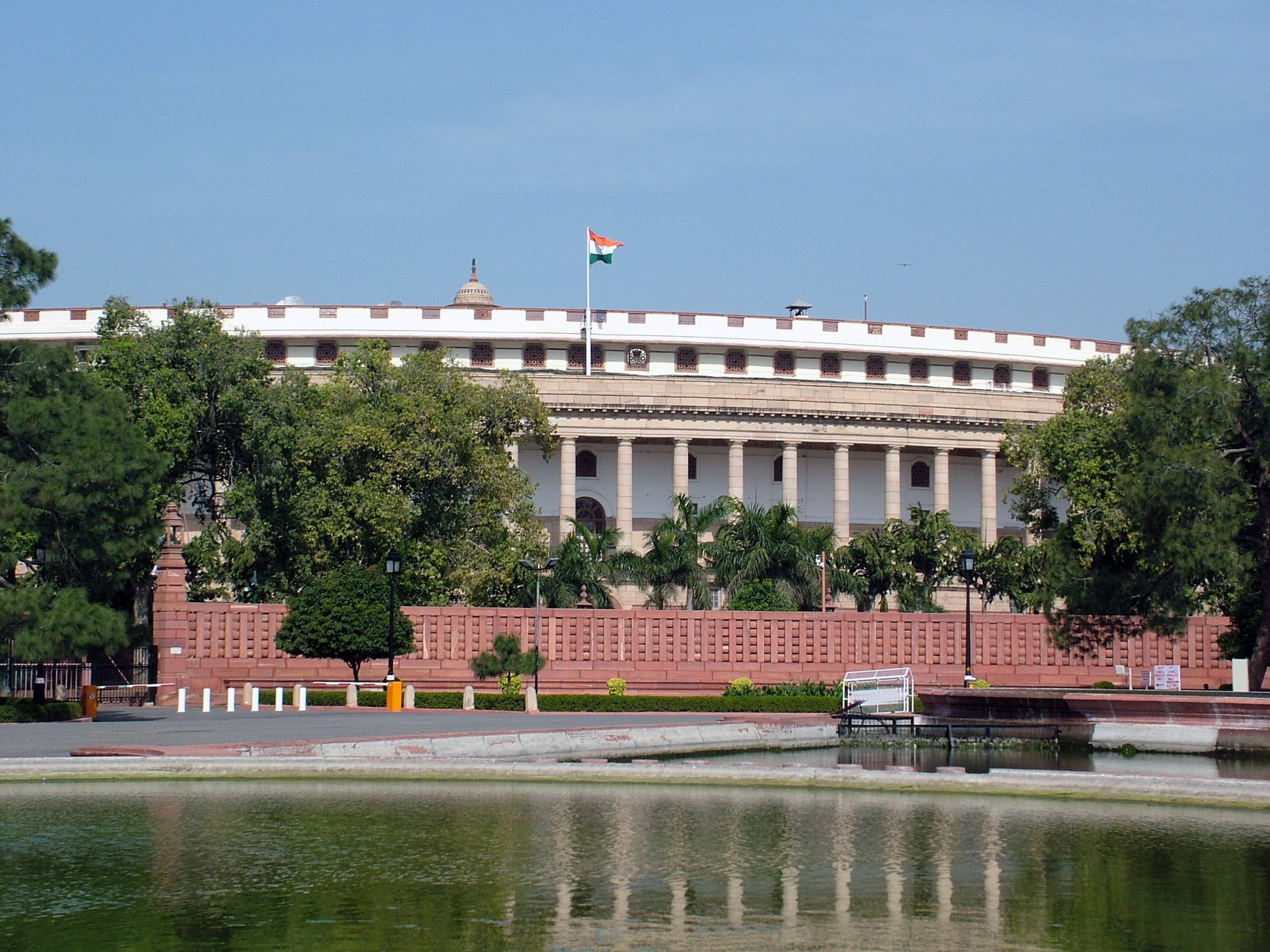
Parliament Building
Designed by British architects, the Parliament Building, or the Sansad Bhavan, is one of the most prominent government buildings in India. This magnificent circular structure is divided into two houses - Lok Sabha and Rajya Sabha.
-
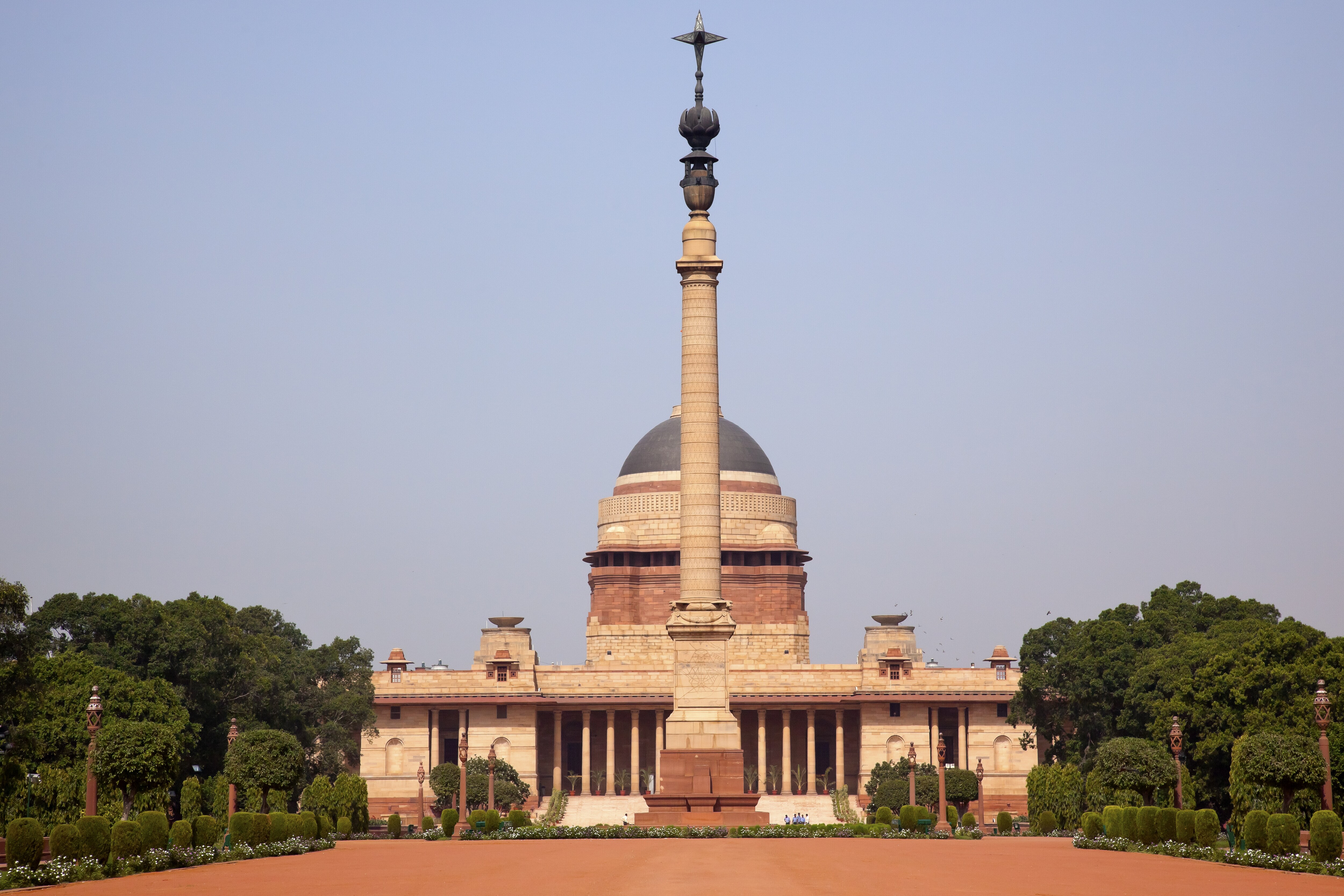
Rashtrapati Bhavan
The other end of the avenuefrom India Gate is Rashtrapati Bhavan - the Presidential Palace. It is the official home of the President of India.
-
India Gate and Rashtrapati Bhavan
India Gate, situated on the Rajpath, is one of the largest war memorials in the country and is also the site of Amar Jawan Jyoti. The other end of the avenue is marked by Rashtrapati Bhavan – the Presidential Palace.